


The city court plays a central role in Pakistan’s judicial system, especially for everyday legal disputes that citizens bring before the courts. Because most civil and criminal matters begin at this level, the city court serves as the foundation of district-level justice. It is the court where litigants first seek relief, where lawyers develop essential courtroom experience, and where crucial decisions shape the progress of each case. Therefore, understanding how the city court functions is important for anyone dealing with legal issues in Pakistan.
Moreover, the city court ensures accessibility. Unlike higher courts, it is easy to approach, has a wide jurisdiction, and handles a significantly larger volume of cases. Consequently, it is considered the most active and dynamic part of the judicial structure.
Role and Purpose of the City Court
The city court exists to provide quick and affordable justice. Since it handles both civil and criminal matters, it acts as the first point of entry into the judicial system. Moreover, it resolves disputes, conducts trials, handles bail applications, and manages numerous administrative responsibilities. As a result, the city court directly influences how smoothly the justice system operates. Consequently, its performance plays a crucial role in ensuring fairness and efficiency for the public.
Additionally, the city court prevents an overwhelming burden on higher courts by addressing cases at the initial stage. Moreover, only matters that require further legal interpretation or appeal move beyond this level. Therefore, the city court serves as an essential filtering pillar, ensuring that the legal system remains structured and manageable.
Furthermore, the city court plays a vital educational role. Citizens often learn about legal rights, legal duties, and basic procedural requirements through their first interactions here. Consequently, public trust in the judiciary begins with how effectively the city court performs.
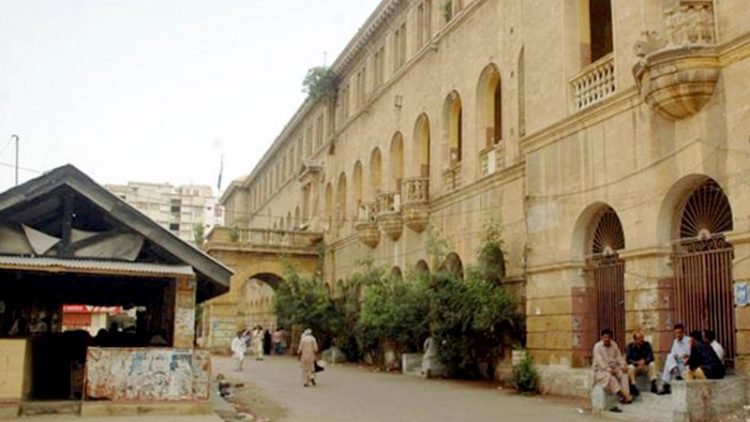
Jurisdiction of the City Court
One of the reasons the city court is so important is its wide jurisdiction. Moreover, it handles a large variety of everyday legal matters that affect people directly.
Civil Jurisdiction
Civil courts within the High court complex handle disputes such as:
- Property and ownership conflicts
- Recovery of money
- Rent and tenancy disputes
- Family matters including guardianship
- Contract-based claims
- Suits for permanent or temporary injunction
- Inheritance and partition matters
Civil judges handle evidence, witness statements, documentation, and final judgments. Because civil disputes impact individuals and businesses, the role of civil courts is essential.
Criminal Jurisdiction
Criminal courts within the High court deal with:
- Bail matters
- Trial of criminal offences
- Remand and custody proceedings
- Offences under the Pakistan Penal Code
- Complaints under special criminal laws
Judicial magistrates and additional sessions judges ensure that every accused person receives a fair trial. Meanwhile, the prosecution presents evidence to establish guilt. Furthermore, because criminal matters directly relate to public safety, the High Court’s criminal jurisdiction is highly significant.
Structure of the City Court
The structure of the city court is designed to manage thousands of cases efficiently. It normally includes the following:
1. Civil Courts
These courts handle all civil matters and are presided over by civil judges or additional district judges. They hear arguments, examine evidence, and issue orders or decrees.
2. Criminal Courts
Criminal courts manage trials, bail, remand, and offences under criminal law. Judicial magistrates deal with initial proceedings, whereas sessions judges handle more serious offences.
3. Administrative Branches
These branches include the record room, filing counters, process-serving departments, and certified copy sections. They ensure proper documentation and timely management of case files.
4. Lawyers’ Chambers
Lawyers consult clients, prepare pleadings, and strategize within the chambers located inside or near the civil court premises.
5. Police and Security Units
Security personnel ensure safe functioning due to the large number of daily visitors.
How Cases Move Through the City Court
Understanding the basic case flow helps litigants feel confident and prepared when approaching the civil court.
1. Filing of the Case
Every case begins with the filing of a plaint, application, complaint, or bail petition. Court officers check the documents, relevant schedules, and court fees.
2. Issuance of Notice
After registration, the court issues notice to the opposing party. This step ensures that both parties have the opportunity to present their side.
3. Submission of Written Statements
In civil cases, defendants file written statements. In criminal cases, the accused is informed of their rights and charges.
4. Evidence Stage
Both sides present evidence, including witnesses, affidavits, documents, and expert reports. Because the city court emphasizes fairness, each party receives equal opportunity to prove their case.
5. Arguments
Lawyers summarise the legal issues and highlight the evidence. The quality of arguments plays an important role in shaping the final judgment.
6. Judgment
After evaluating everything, the judge issues the decision. If any party disagrees, they may appeal in a higher court.
Why Understanding the City Court Matters
The city court is essential to ensuring access to justice. It is the place where most legal matters begin, and thus it forms the backbone of the judicial system. For many citizens, interacting with the city court marks their first encounter with formal legal proceedings. Knowing its structure, jurisdiction, and process reduces stress, avoids mistakes, and improves case preparation.
Furthermore, lawyers use civil courts as training grounds to build essential experience. From drafting petitions to conducting trials, almost every lawyer’s journey begins here. Moreover, because the city court handles countless cases daily, it offers lawyers real-world exposure and practical courtroom learning. Consequently, this constant involvement in active proceedings strengthens their legal skills and confidence.
Additionally, the civil court promotes transparency. Anyone can observe hearings and understand how justice is delivered. Therefore, this openness strengthens public confidence in the judiciary and ensures that the legal system remains accountable.
FAQs
1. What is a city court?
A city court is a district-level court that handles civil and criminal cases for citizens within its jurisdiction. In addition, it serves as the first point of entry into the judicial system.
2. What types of cases does the city court hear?
It hears property disputes, family cases, criminal trials, bail matters, tenancy issues, and recovery suits. Moreover, it also addresses other civil and criminal matters within its jurisdiction.
3. Who presides over city court matters?
Civil judges, magistrates, and additional district and sessions judges preside over different types of cases. Furthermore, their roles ensure that both civil and criminal matters are handled efficiently.
4. Why is the city court important?
It ensures accessible justice, manages everyday disputes, and reduces the load on higher courts. Consequently, it plays a crucial role in maintaining the overall efficiency of the judicial system.
5. Can city court decisions be appealed?
Yes, decisions from the city court can be appealed to higher courts depending on the nature of the case. Therefore, litigants have the opportunity to seek further legal remedies if needed.